malykh.com notes

Search in the blog:

2026-02-05

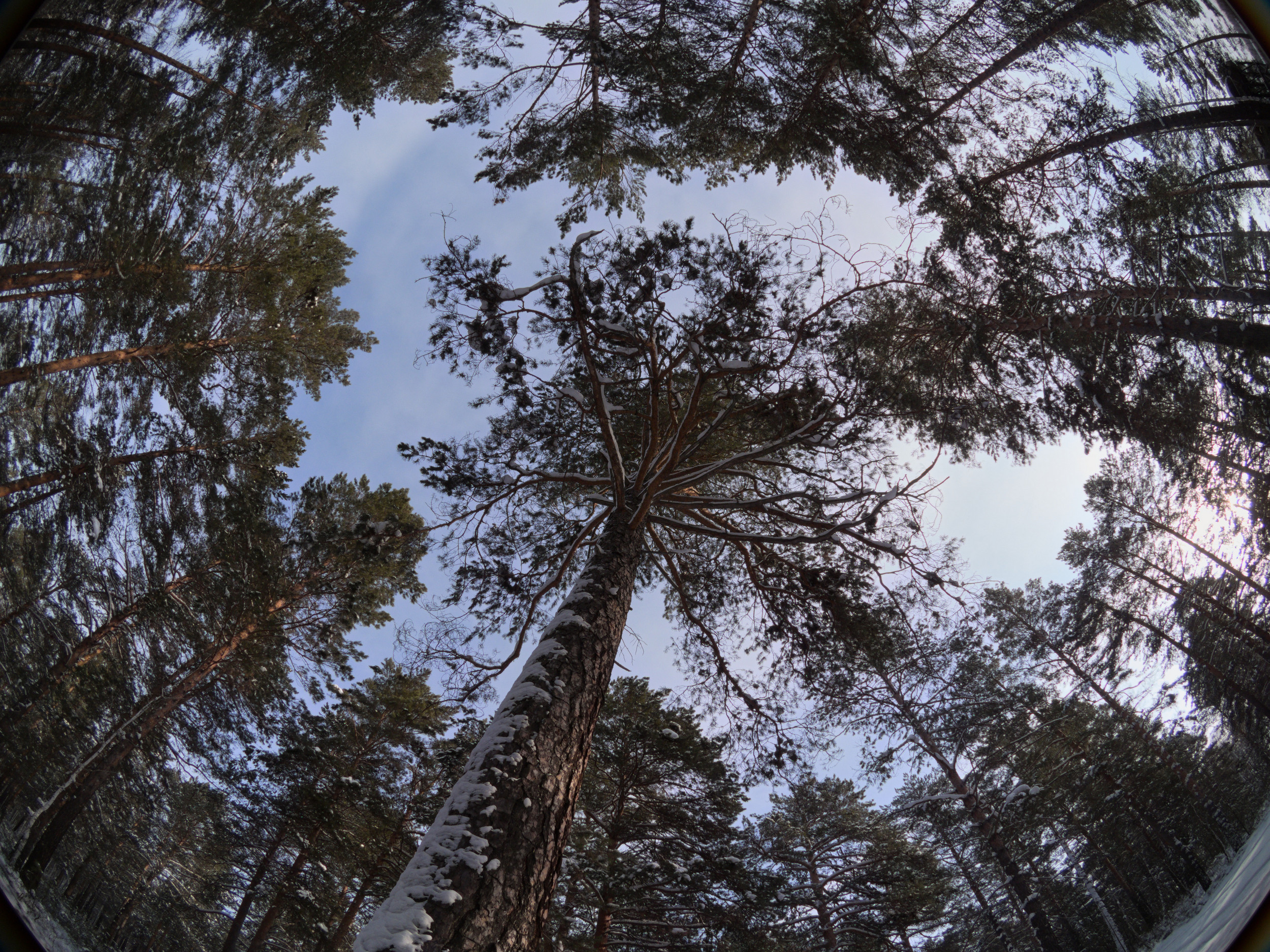
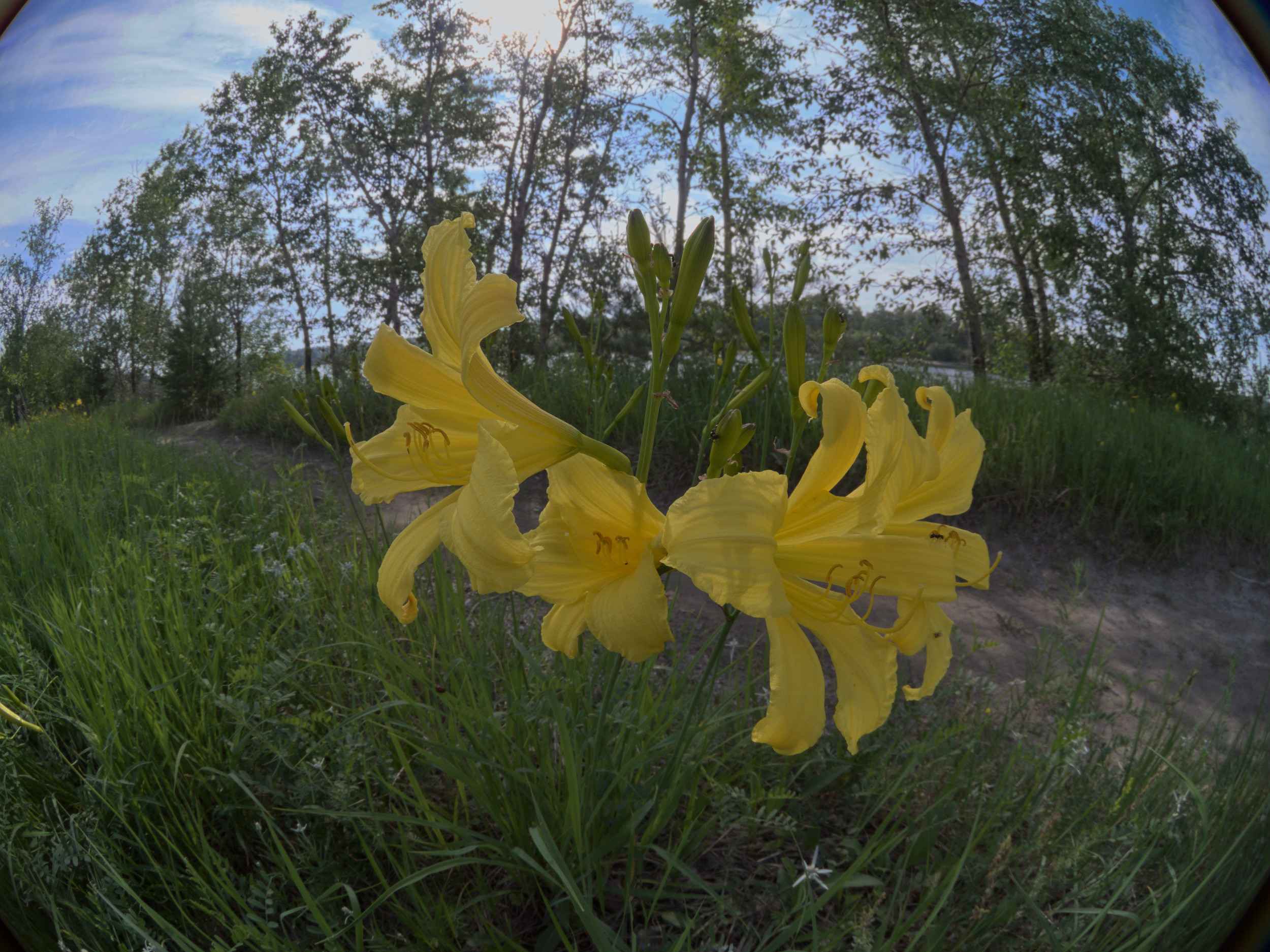
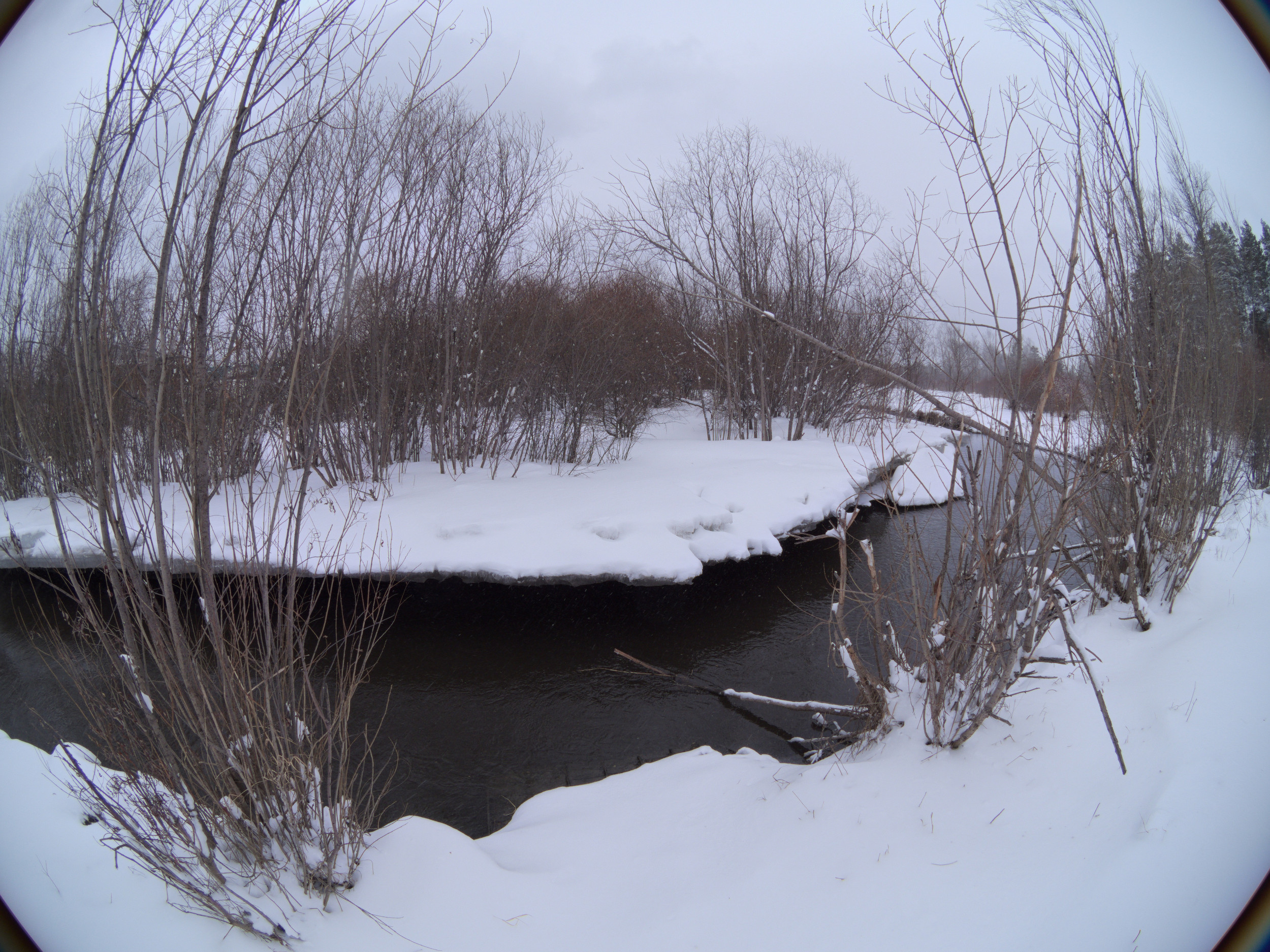
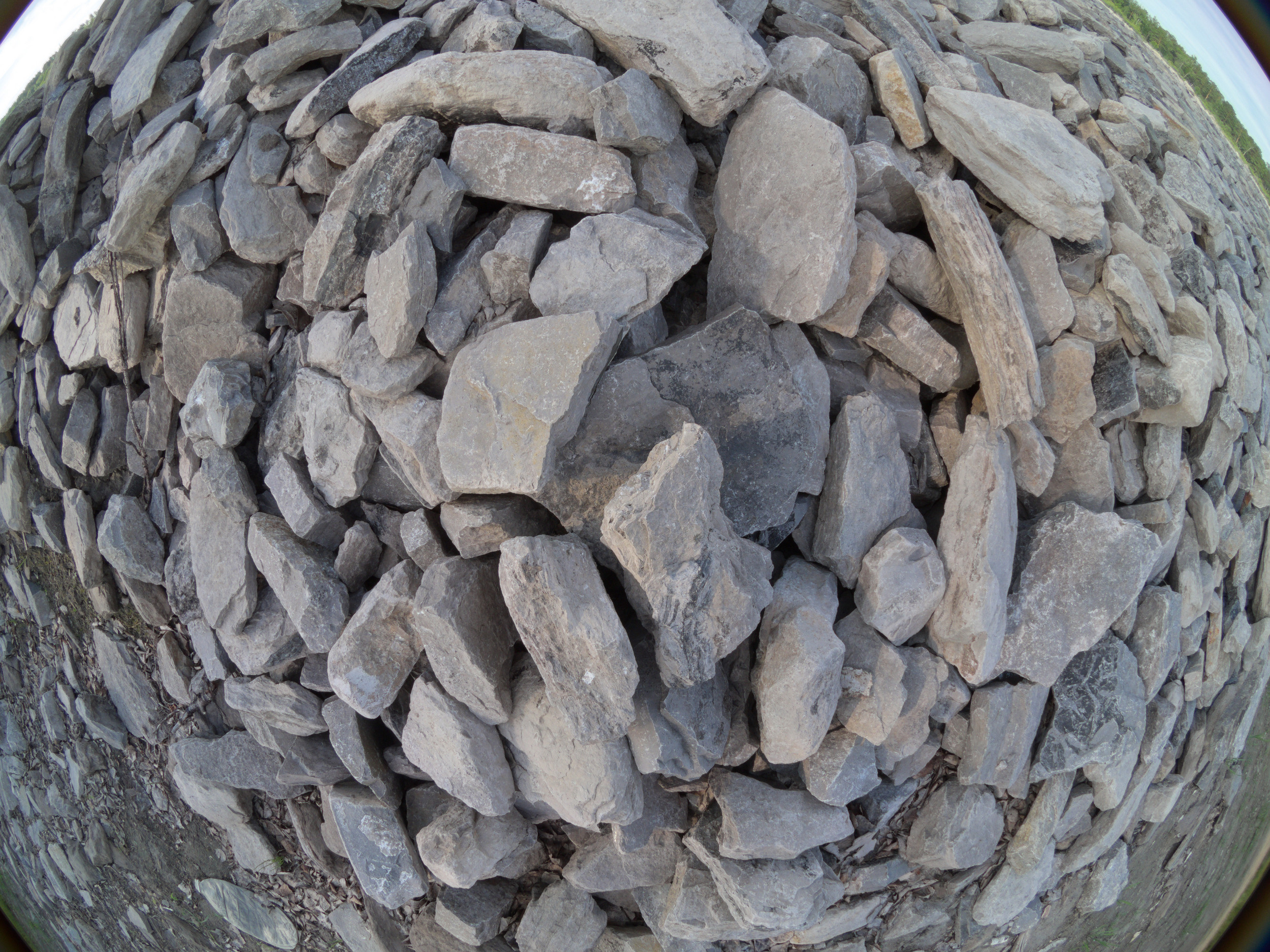
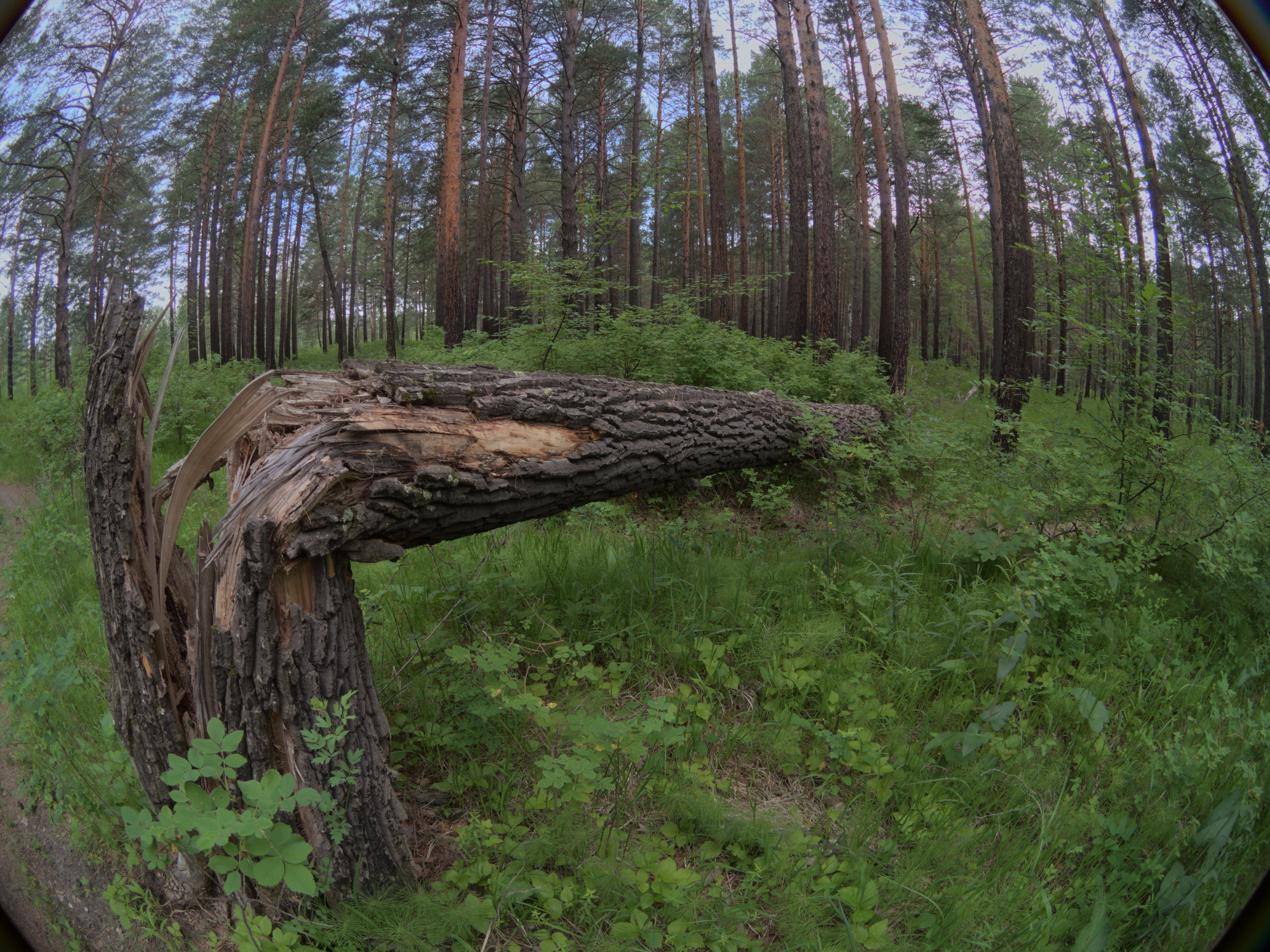
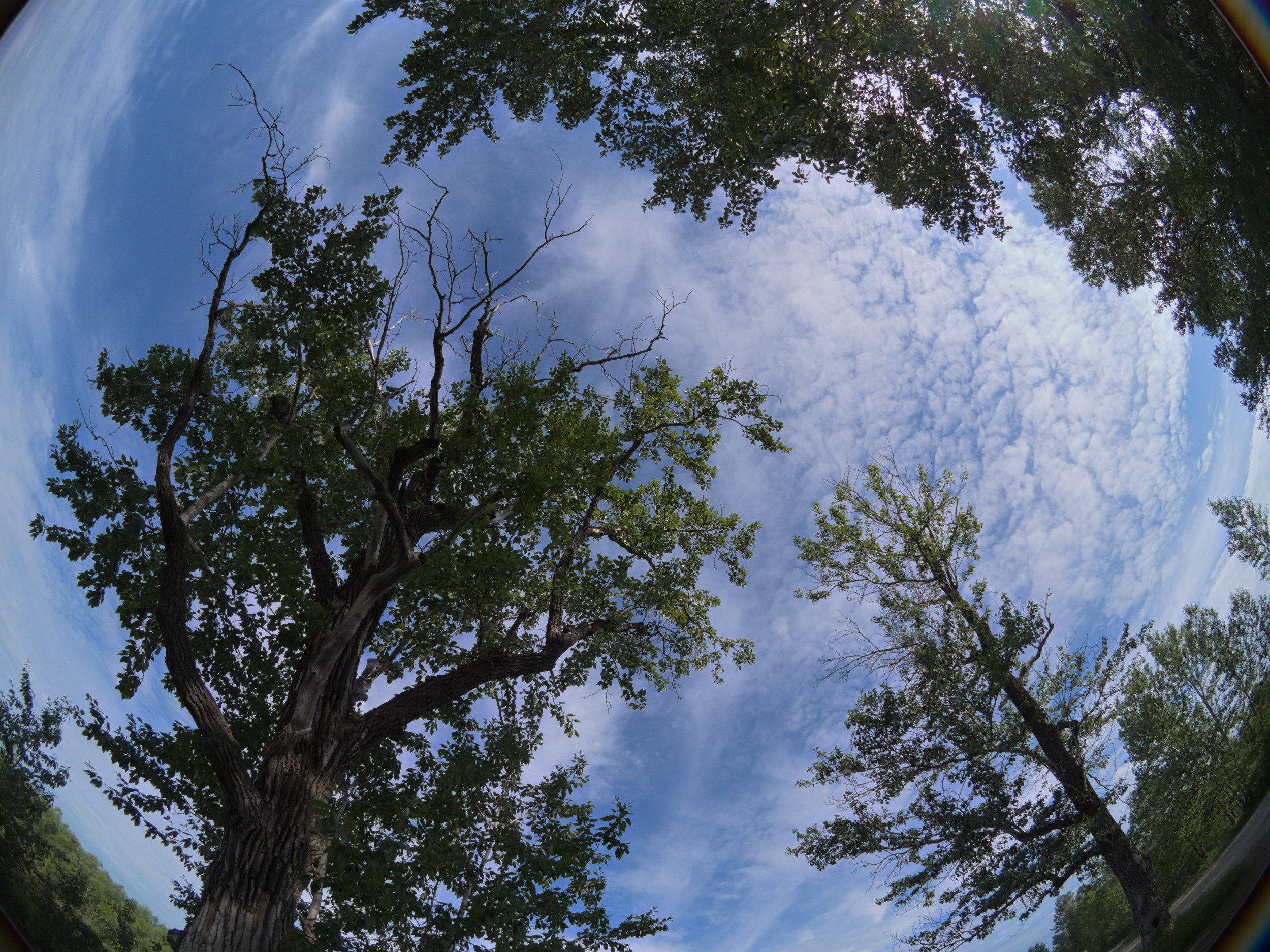
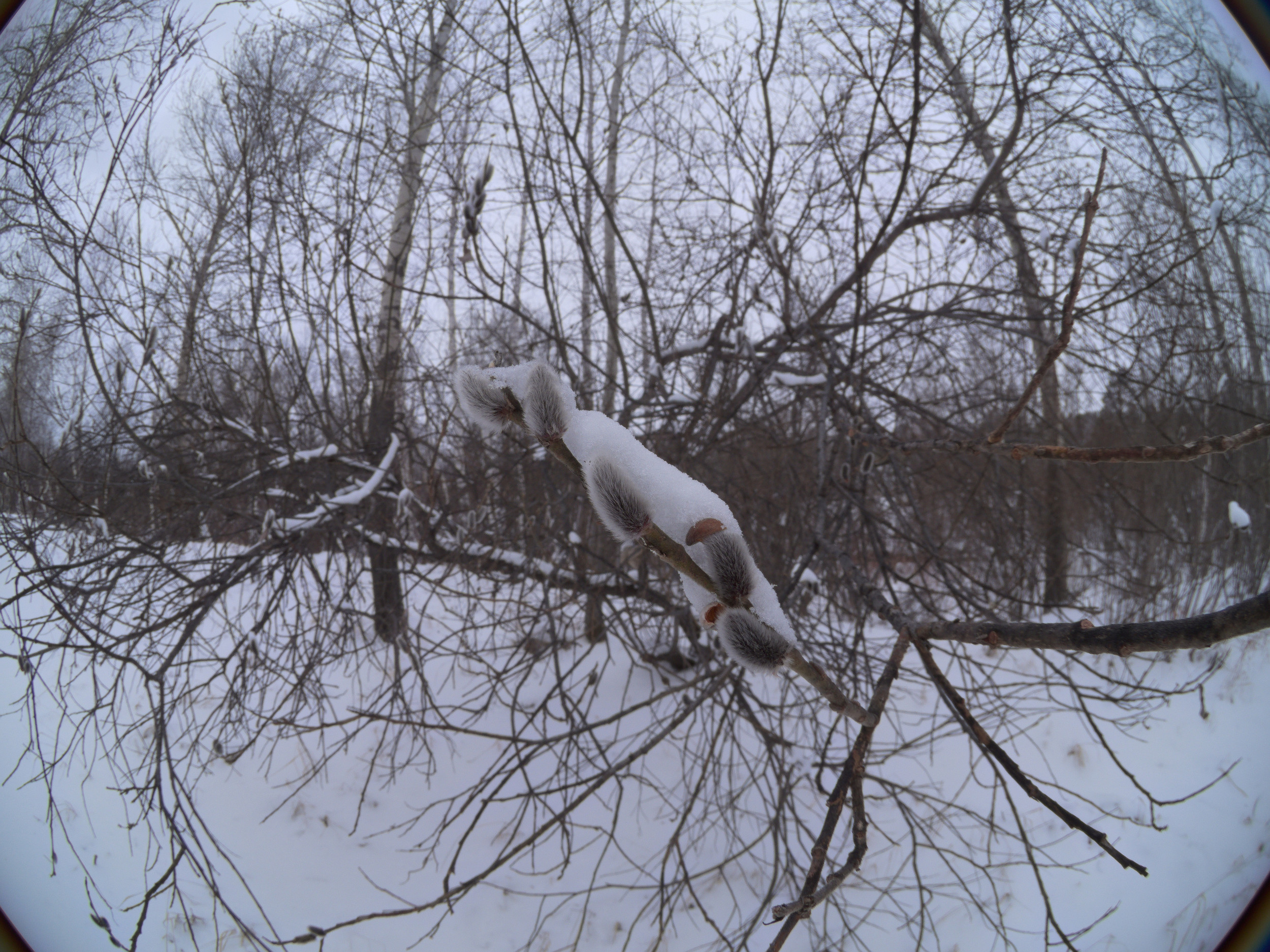
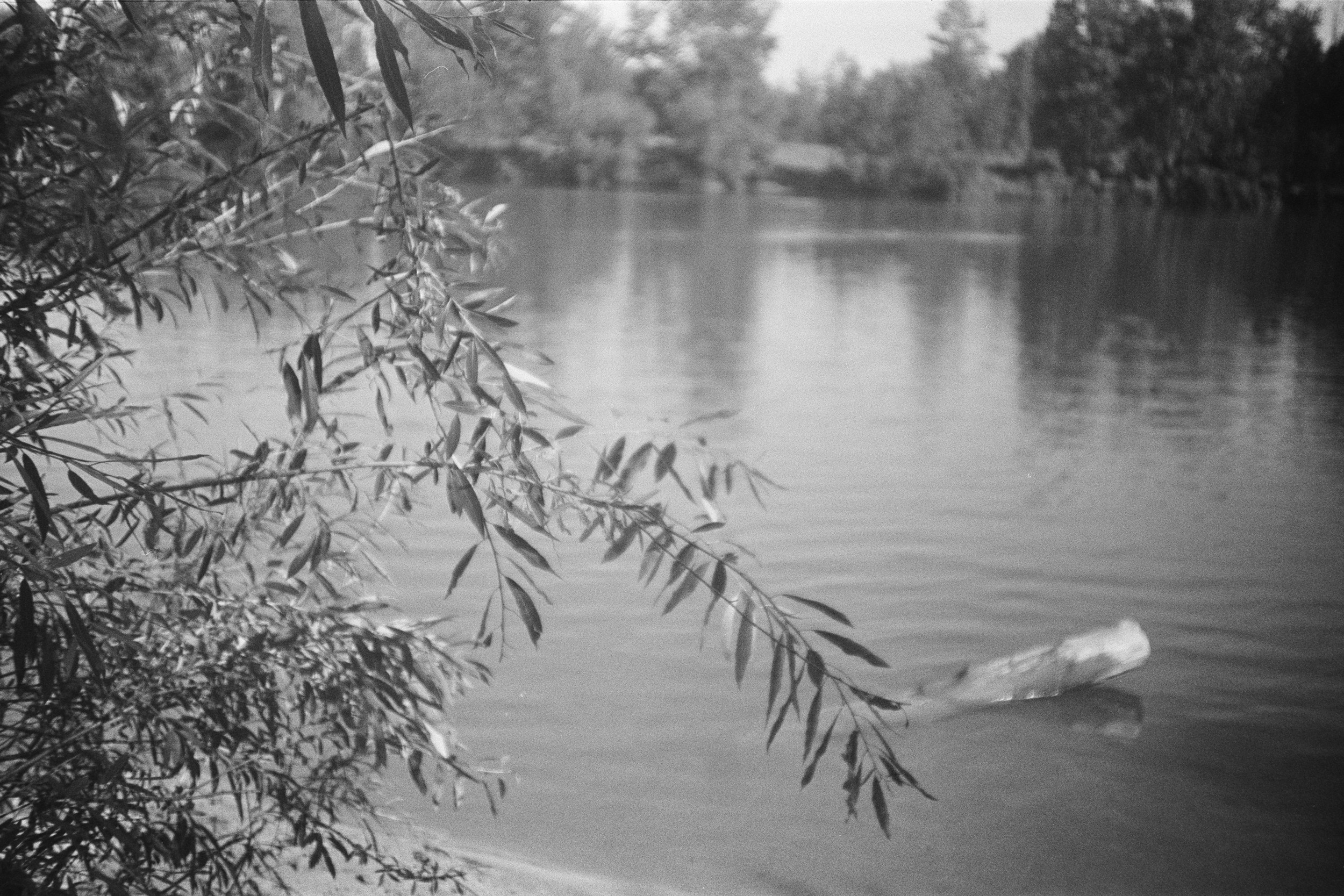
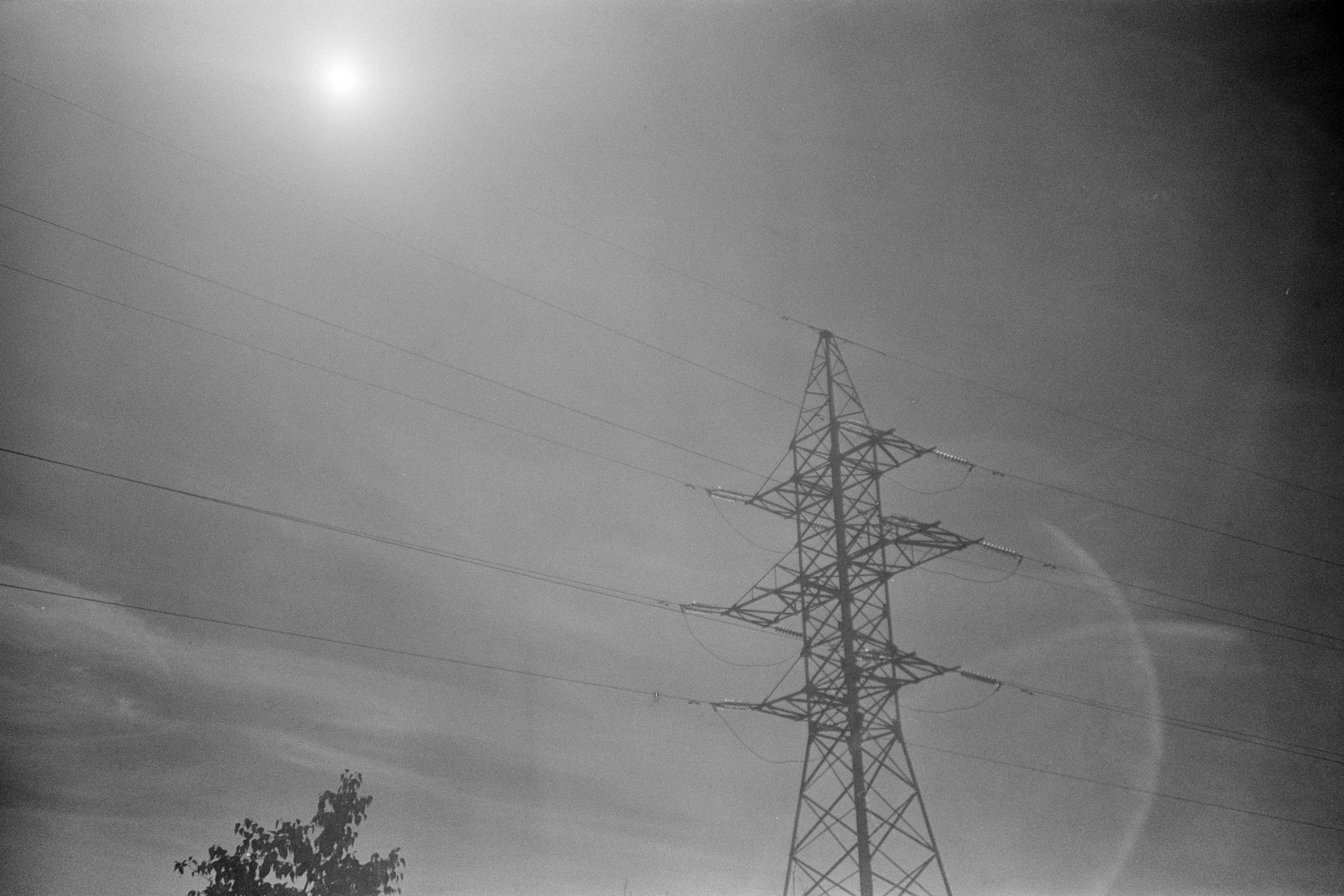
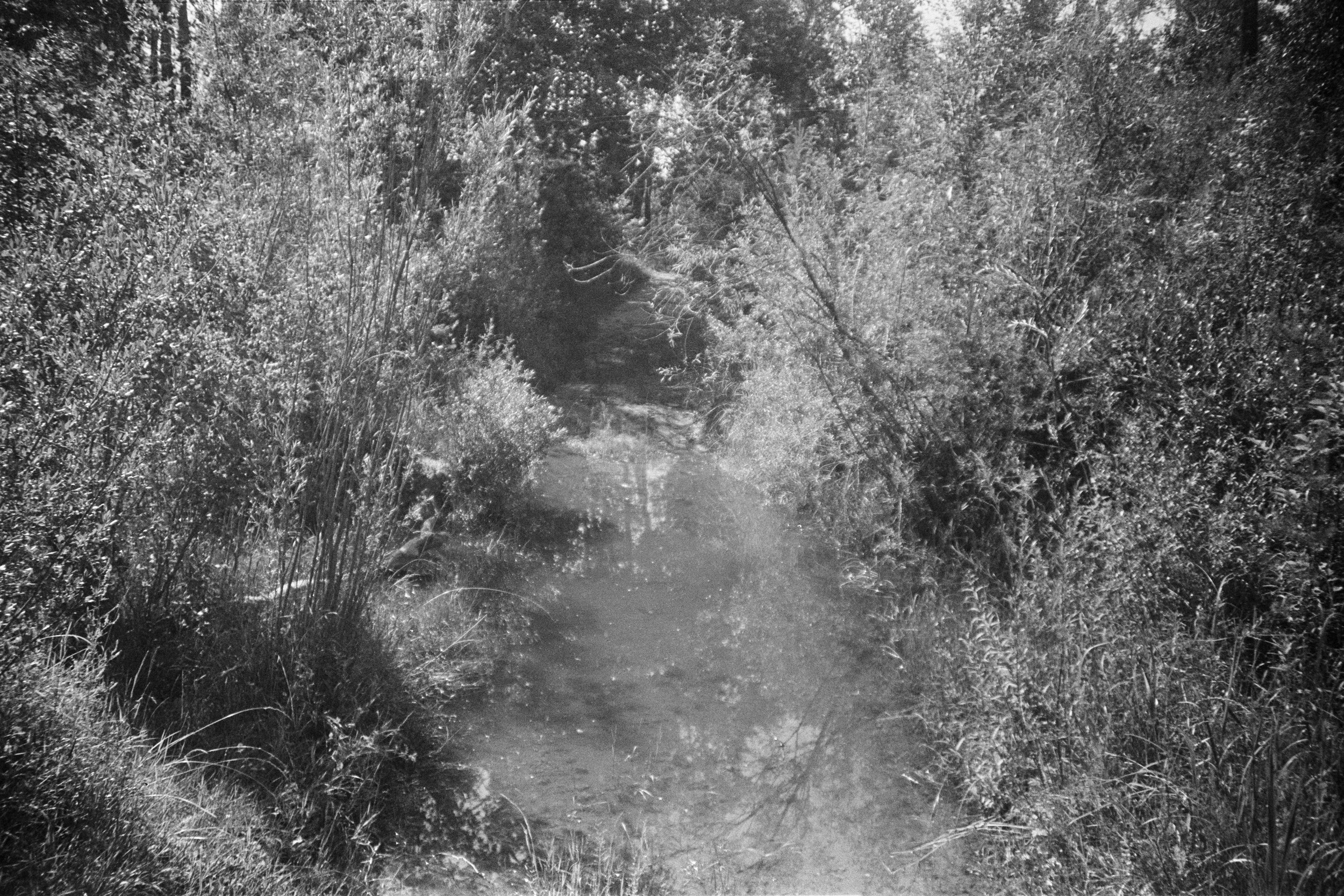
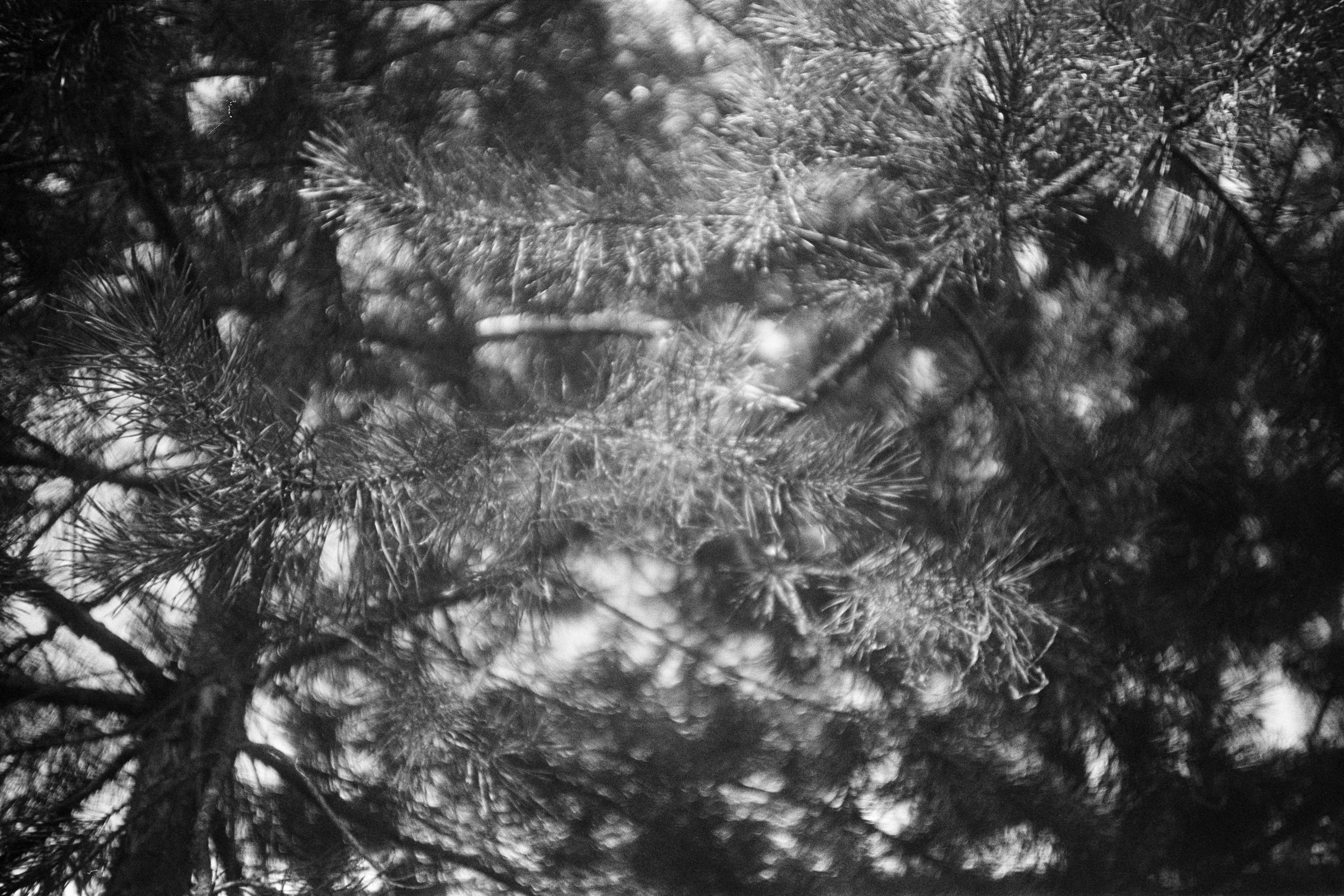
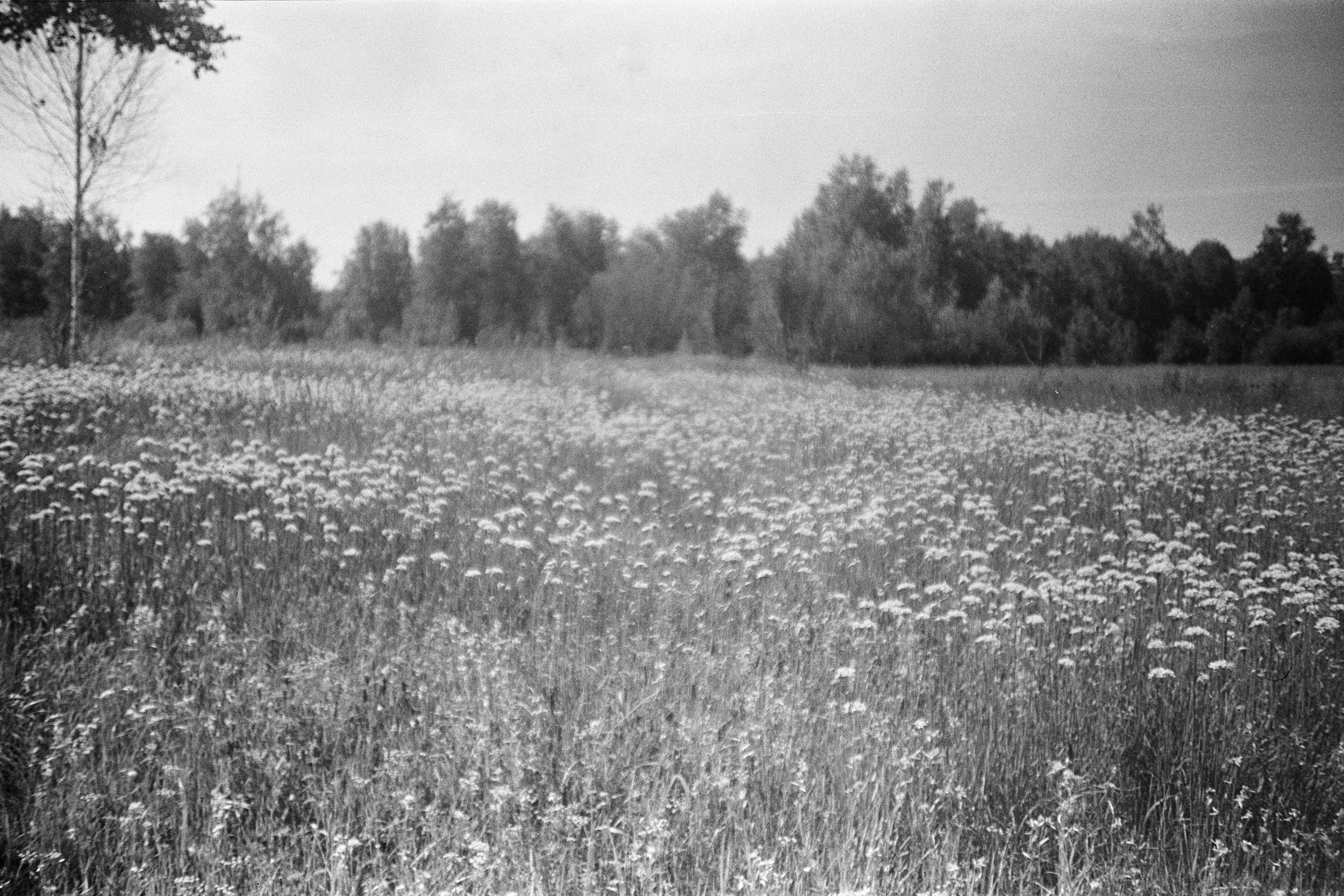
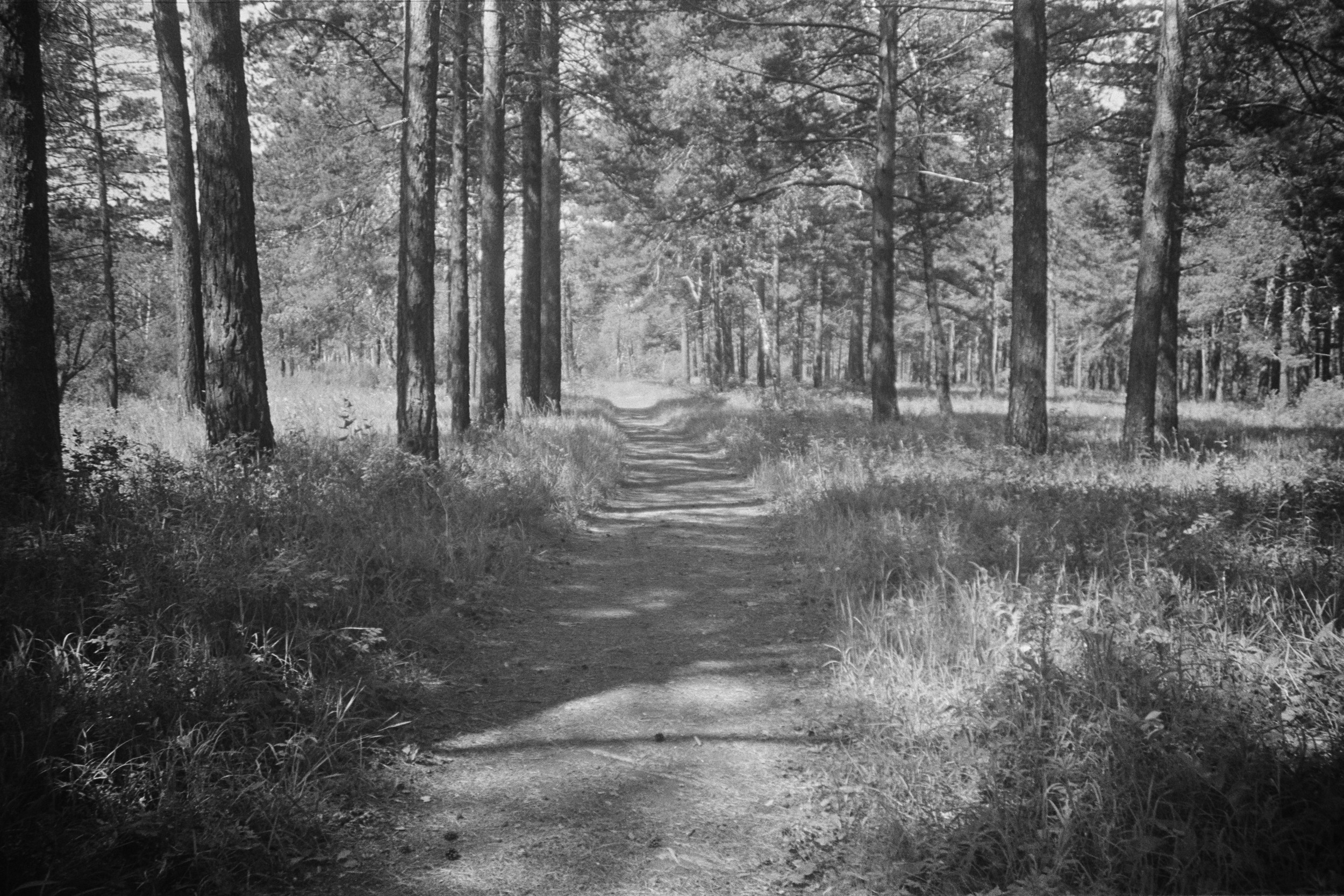
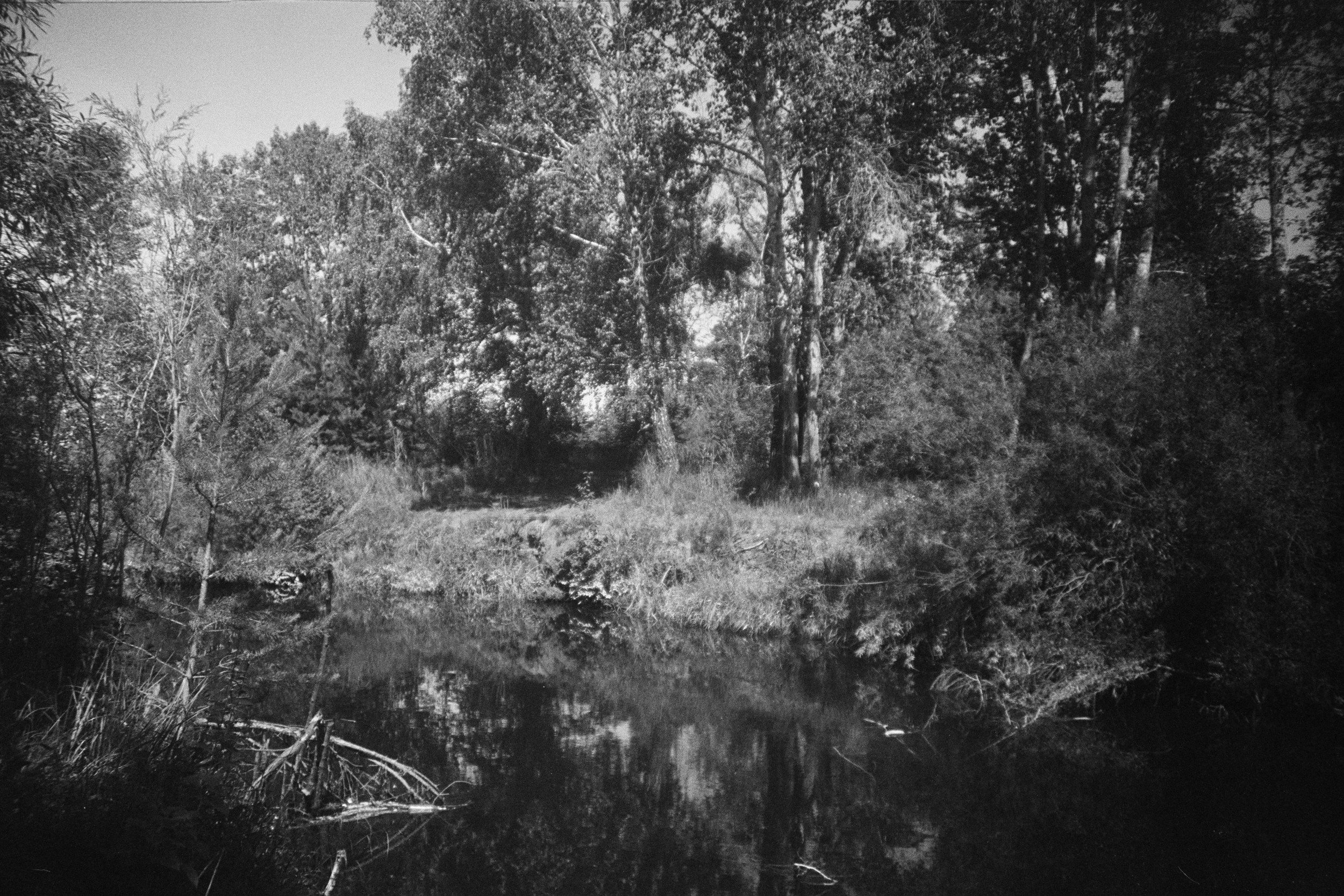
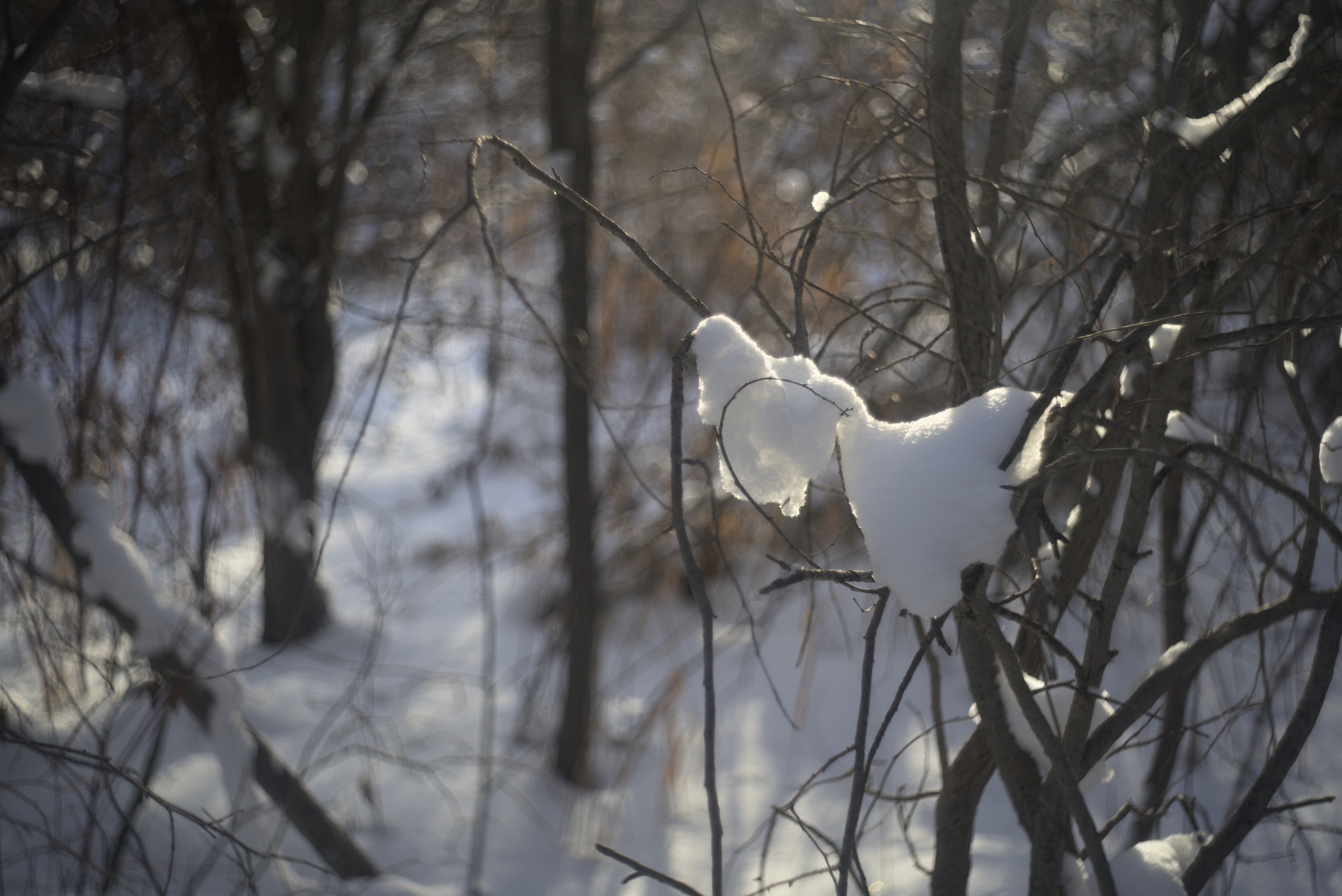
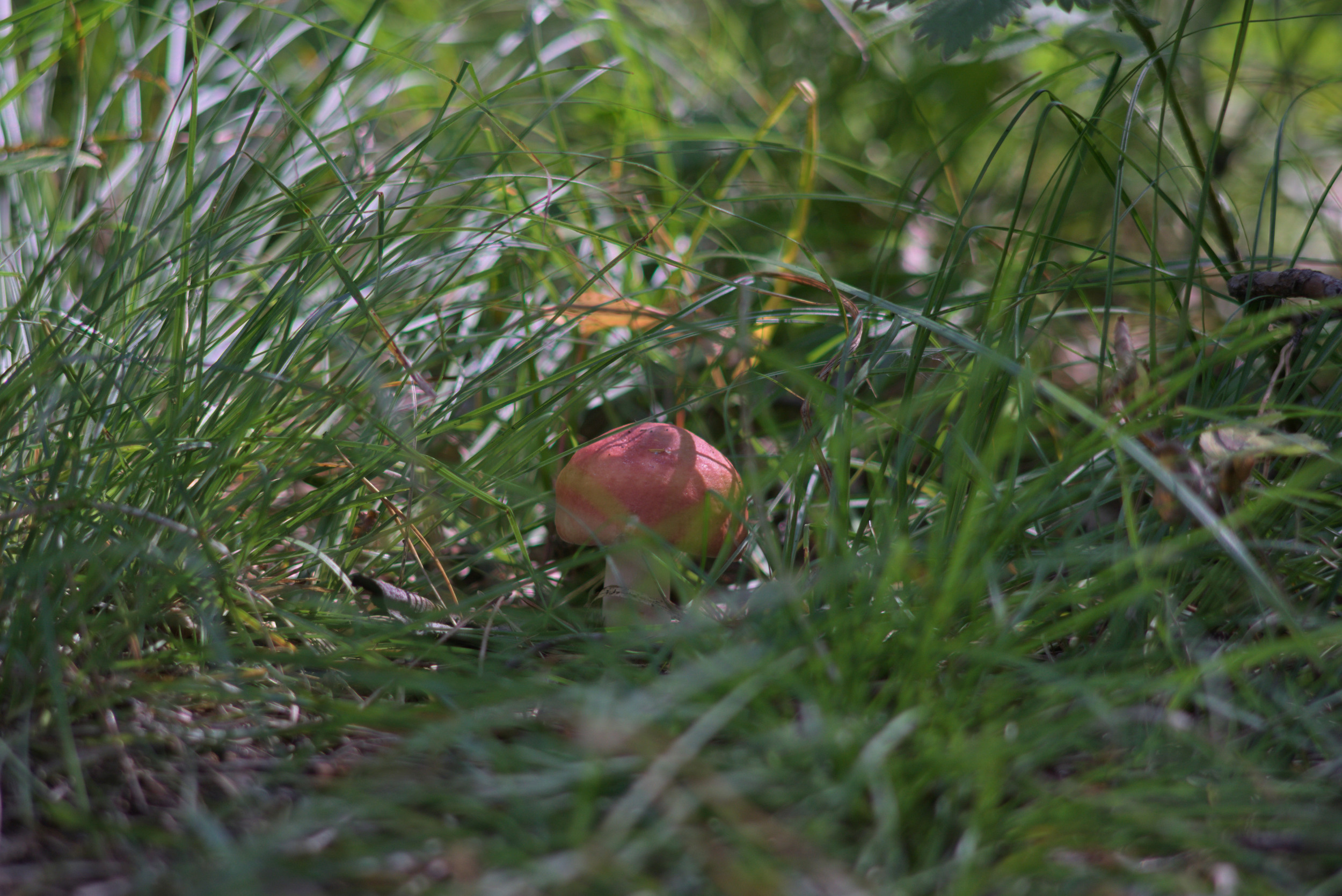
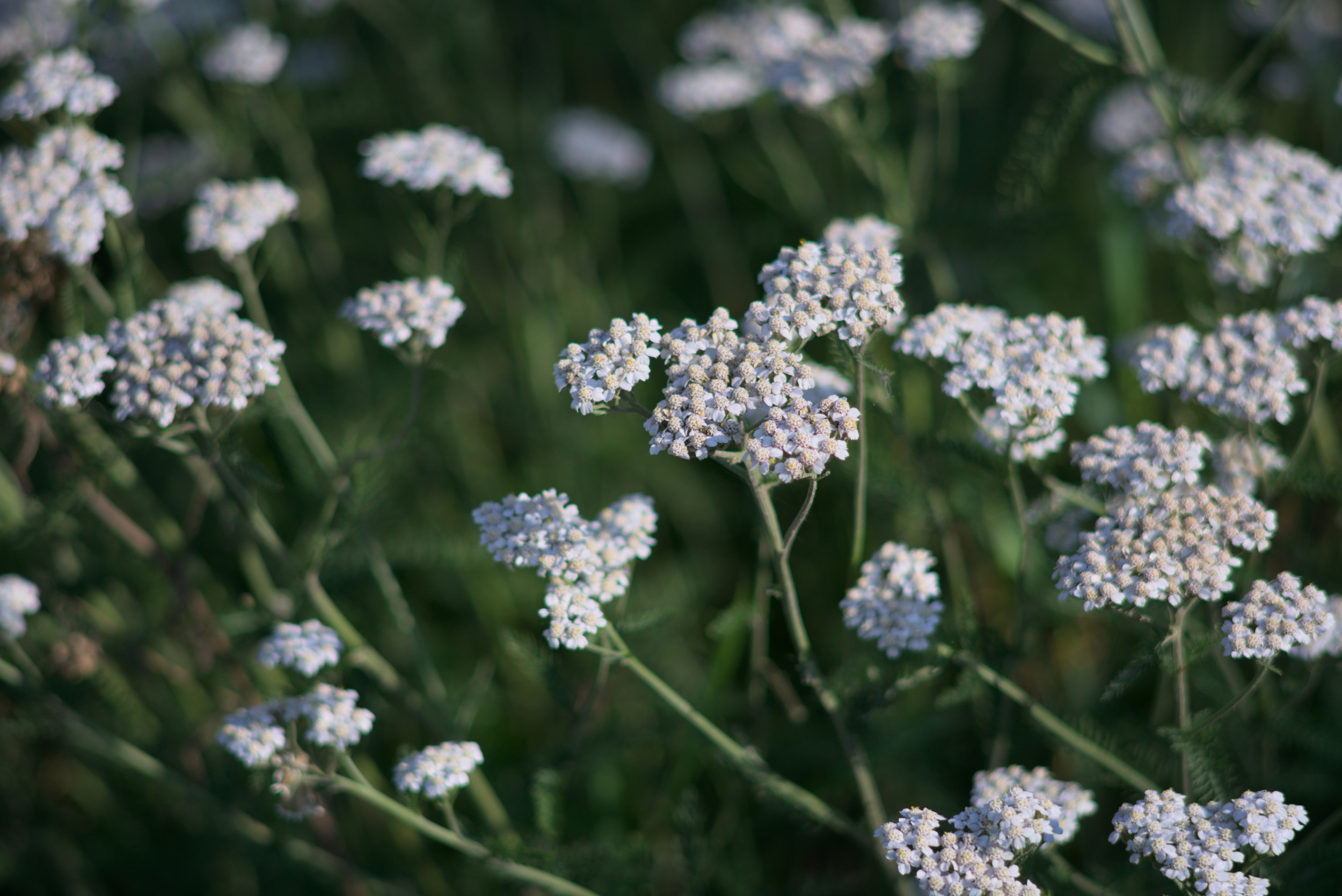
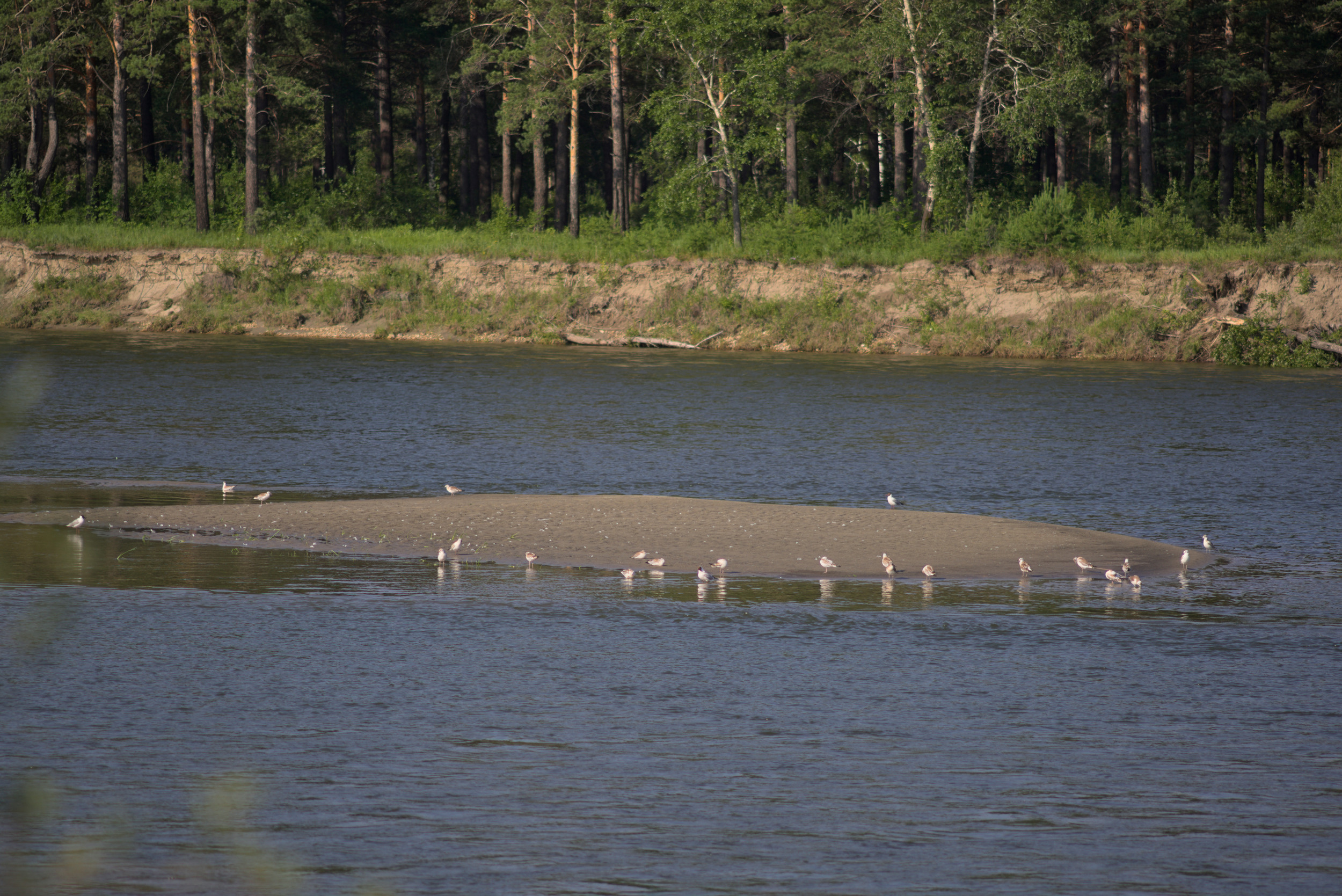
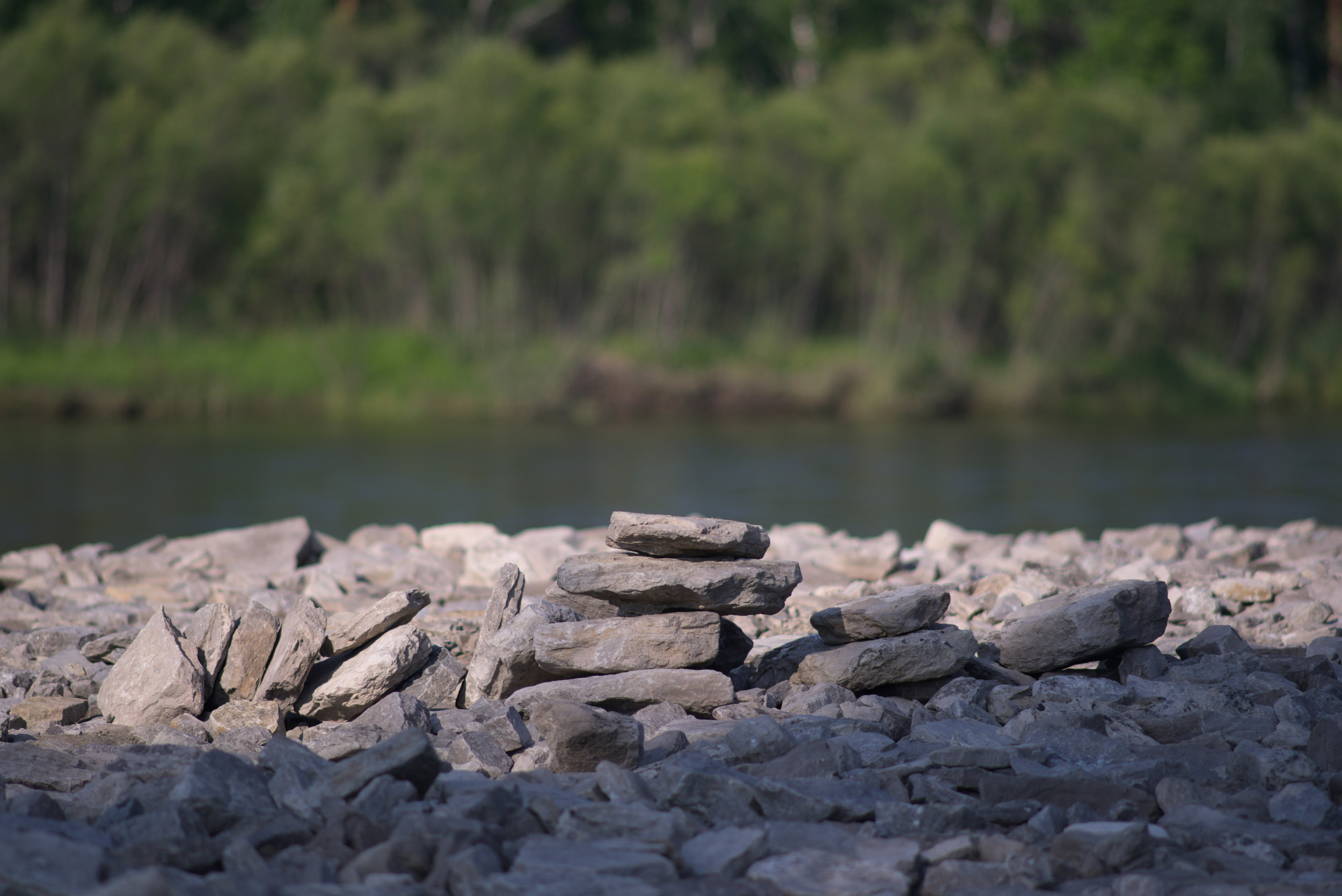
Samsung NX 10/3.5 Fisheye: Samples [2] - APS-C

Camera: Samsung NX300M (1.5x crop factor, 20MP), Samsung NX500 (1.5x crop factor, 28MP)
Lens: Samsung NX 10/3.5 Fisheye at f/5.6-f/9

The profiled lens (distortion/vignetting) correction is disabled.


2026-02-03

Flyxii FR-701: More details

The Flyxii FR-701 is a 29+ carbon MTB hardtail frame, designed for a 100mm travel fork (axle to crown 506 mm with 51 mm offset). Here are more details about the frame.

A noticeable feature is the two positions for the 12x148 rear axle. The distance between the two positions is about 15 mm. This allows you to choose between shorter and longer chainstay length and wheelbase.

(rear derailleur hanger mounts)

Supported wheel sizes are up to 29x3.25 (as stated).

A tapered (1 1/8" - 1.5") integrated headset is used.


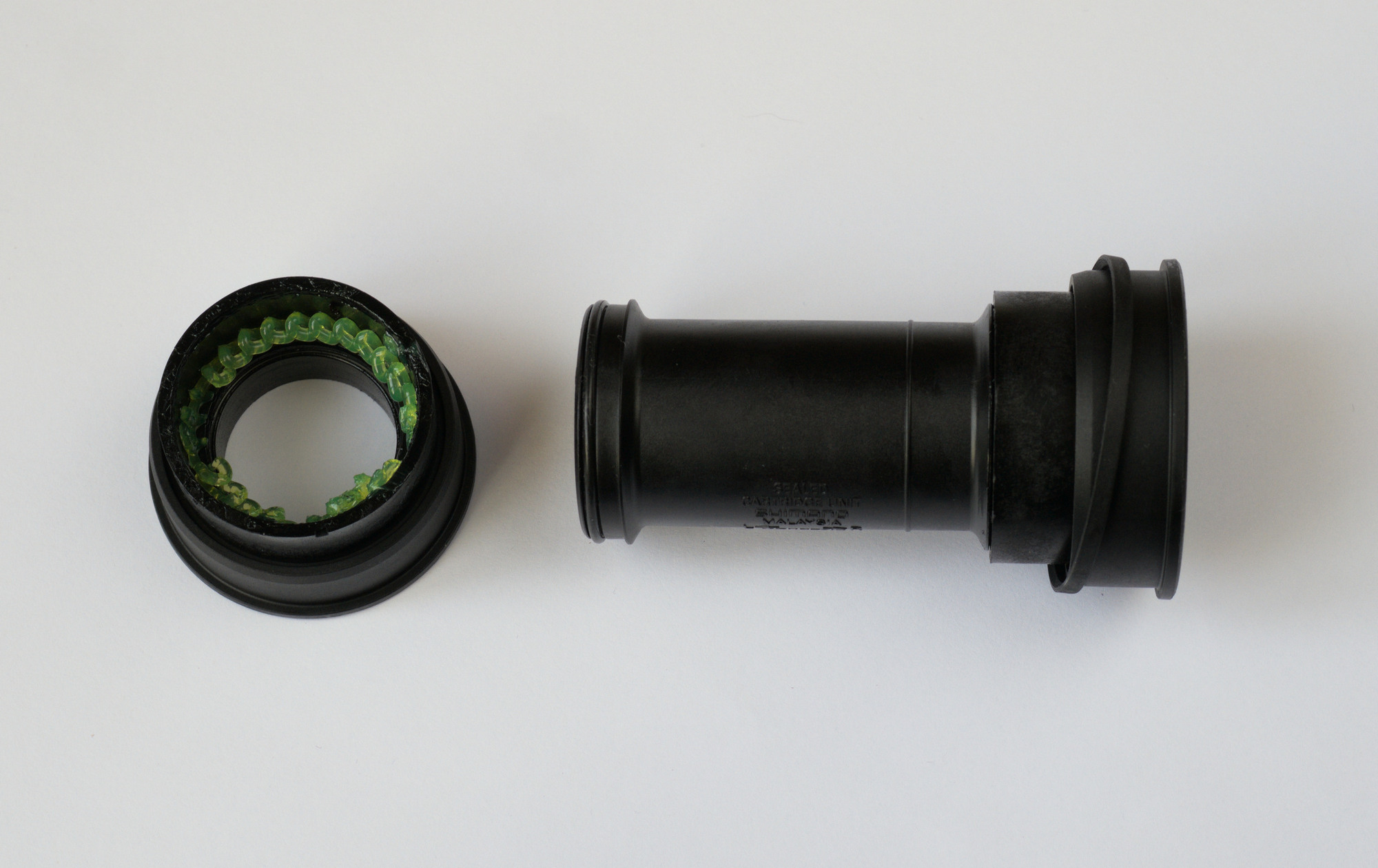
The bottom bracket is "BB92" (press-fit 41mm x 92mm) compatible.


It looks like there is no way to install a front derailleur because there are no mounts. And the derailleur cannot be mounted with a band/clamp due to the shape of the seat tube.

The seatpost has a diameter of 31.9 mm and a 37 mm clamp. There is a dropper post routing in the frame.


The rear brake mount is Flat Mount. 


And it is for the "shorter" axle position. In my opinion, the Flat Mount is a good choice for a carbon frame. There are just two holes without thread. If you use a Post Mount brake, the bolts will screw into an adapter.

There are only two water bottle cage bosses, they are on the downtube.


My 19" (L) frame weighs 1340 g without anything attached to it (just frame).

Stated geometry:


According to my measurements, the stated wheelbase (WB) and chainstay length (RC) correspond to the "shorter" axle position.


See also related notes:
Image albums:

2026-01-31

Cheecar FF 35/1.4 II vs RockStar/AstrHori 35/1.8

Camera: Sony a7c (FF, 24MP)
Lens: Cheecar FF 35/1.4 II at f/1.4 and RockStar/AstrHori 35/1.8 at f/1.8

1.

(Cheecar FF 35/1.4 II at f/1.4)


(RockStar/AstrHori 35/1.8 at f/1.8)

2.

(Cheecar FF 35/1.4 II at f/1.4)


(RockStar/AstrHori 35/1.8 at f/1.8)

3.

(Cheecar FF 35/1.4 II at f/1.4)


(RockStar/AstrHori 35/1.8 at f/1.8)

4.

(Cheecar FF 35/1.4 II at f/1.4)


(RockStar/AstrHori 35/1.8 at f/1.8)

5.


(Cheecar FF 35/1.4 II at f/1.4)


(RockStar/AstrHori 35/1.8 at f/1.8)

Despite the RockStar/AstrHori 35/1.8 being slower, I like its overall produced image more... Except for its color reproduction. Note the fourth and fifth samples. I didn't adjust the colors (AWB), and the colors are awful with the RockStar/AstrHori 35/1.8. That's why I got rid of this lens.

2026-01-29

database.mem file

Here three versions of database.mem file: database.mem.zip (1.9MB)

a - 2416528 bytes, SHA256: d250f2ab8d50a6d06532f3dedbc73b59b35db77e6ba7eb1dc68d7533002ba7a
b - 2649132 bytes, SHA256: e14c613c34a6380fd681a7d28d11566833f489e3d0959f2fe7ccd84e48d34b03
c - 2416539 bytes, SHA256: df7f5c1dbc8fb98a47370b6356ec6d1d9d31fe51e15ea9ffb698a29d5151fca7

A database.mem file can be read by DRBDBReader or my malykh-drb3-reader.


See also related notes:

2026-01-27

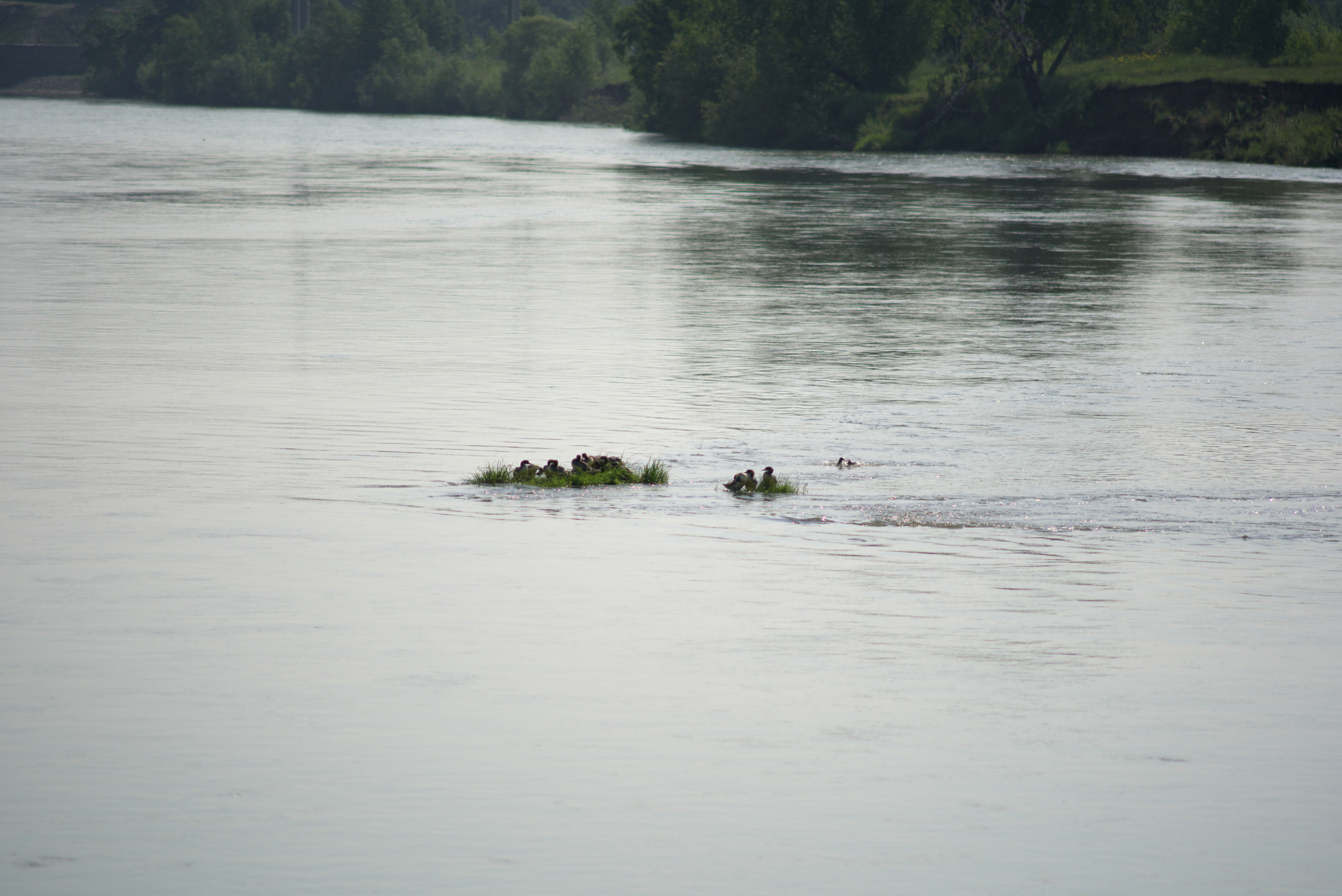
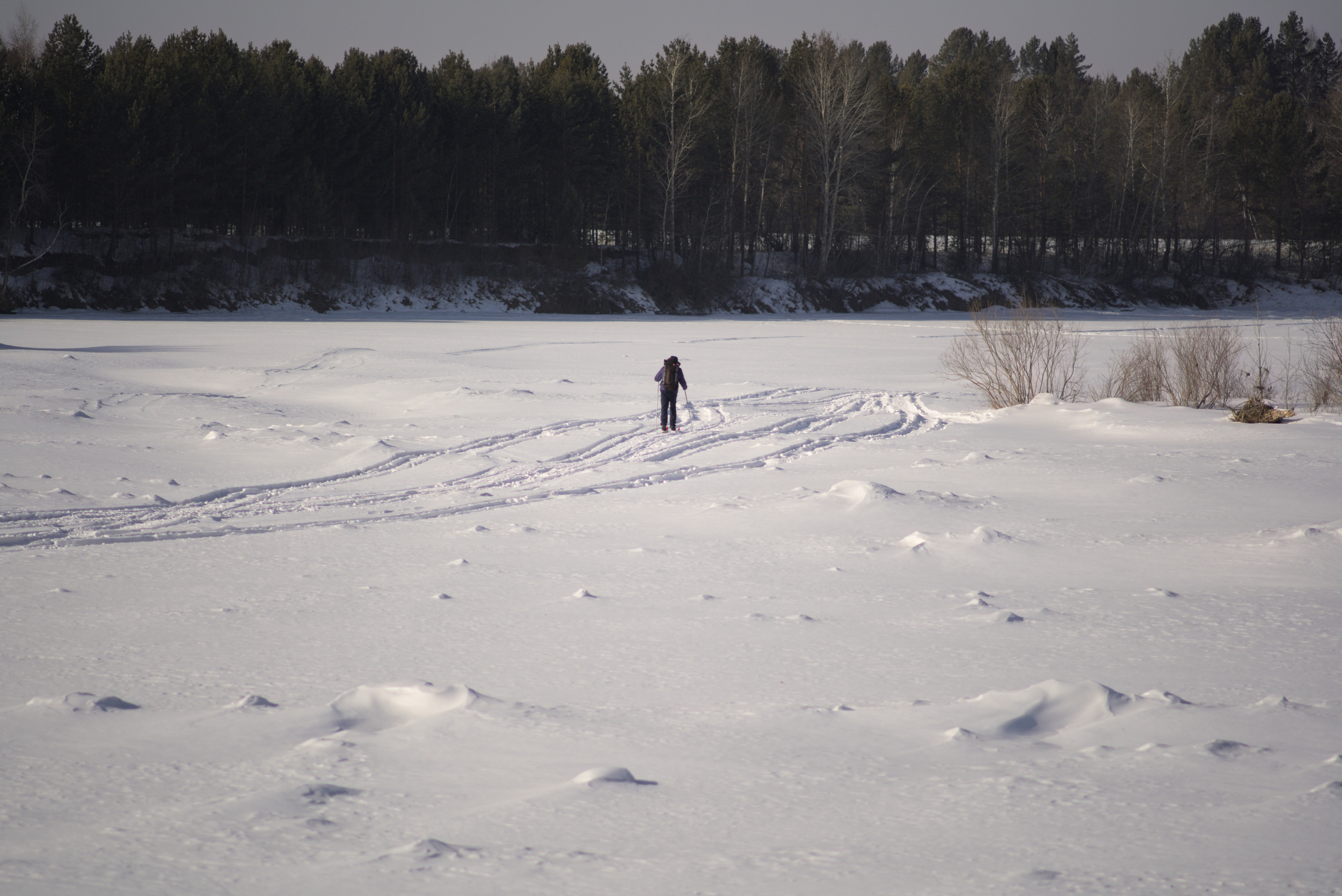
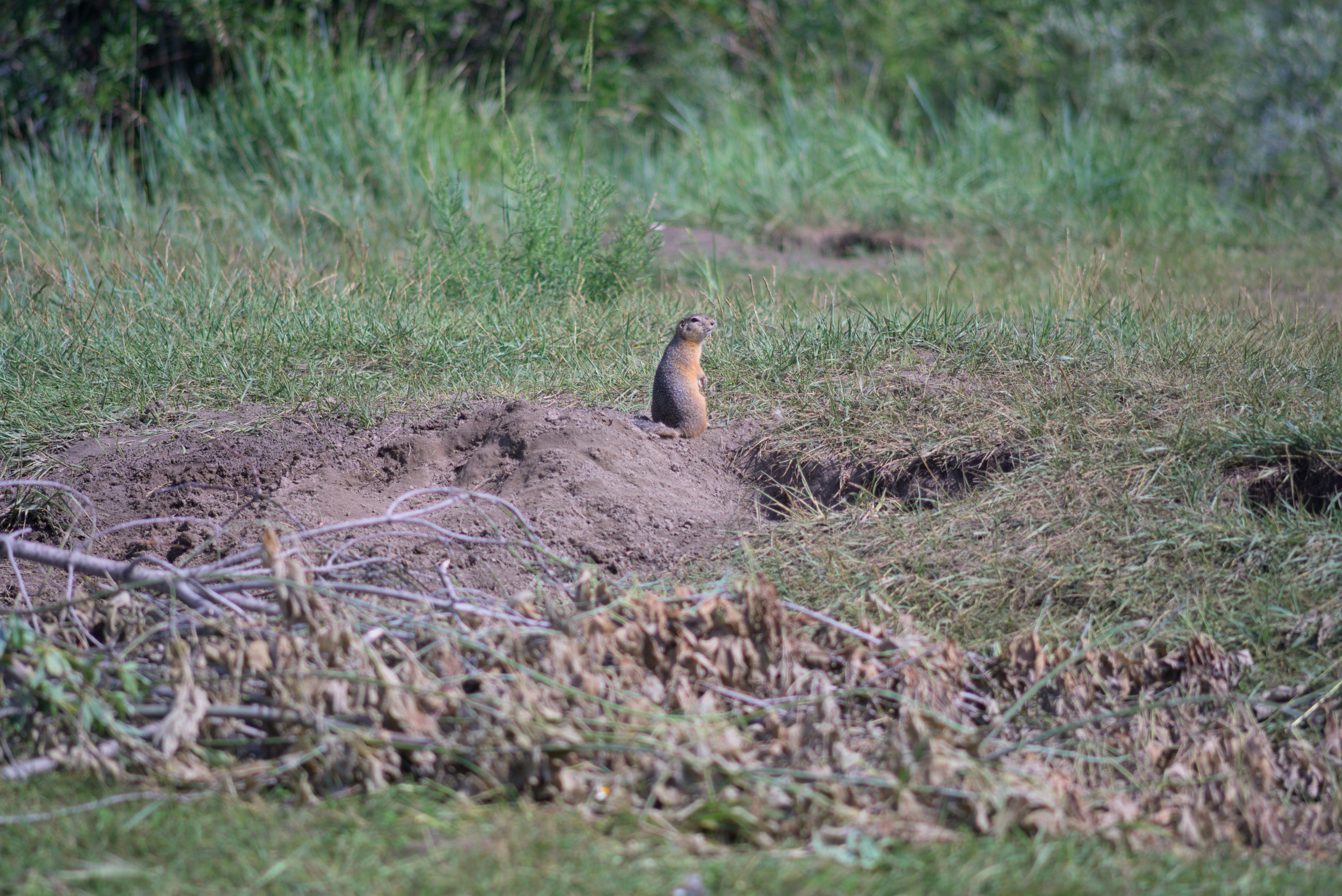
Samsung NX 50-200/4-5.6: Samples [2] - APS-C - 200mm

Camera: Samsung NX300M (1.5x crop factor, 20MP), Samsung NX500 (1.5x crop factor, 28MP)
Lens: Samsung NX 50-200/4-5.6 at f/5.6-f/10, 200mm

The profiled lens (distortion/vignetting) correction is disabled.


(see also Baikal chipmunks)


2026-01-25

malykh-drb3-reader [GitHub]

Some time ago, I learned how to read Chrysler control modules using a PCI (J1850 VPW) bus and an ELM327 adapter. See my posts about using the ELM327 and about reading the module identifier.

DRBDBReader was a big help. It's open-source software that reads and decodes a DRB-III database. However, for my purposes, I wrote a simplified version in Scala 3.


I am now publishing this project: https://github.com/malykhcom/malykh-drb3-reader

To run it, you need to find a database.mem file (here, for example).

While I doubt the software itself will be useful, it may help to study the database.mem file format. I tried to make code simpler and more readable.

On-board diagnostics are not part of my life currently, so I don't plan to continue working in that field.


See also related notes:

2026-01-23

Flyxii FR-701 carbon frame

I've ridden the Cannondale Cujo 1 for seven years, and overall, I like it. This bike suits me well.

The main problems are the rear QR 141 Boost dropouts and the terrible stock rear hub. The Koozer 450 hub is much better. It can also be upgraded with a TB141 axle and T34+T36 caps (HG/xD).

However, I would prefer a 148x12 Boost rear thru-axle. I don't want a new bike, Cujo's components are good. So, I decided to change the frame only.

I already bought the Flyxii FR-701 carbon frame.


Why did I choose it?

1.  It's a 29+ frame with plenty of space for my 29x2.6 tires.

2. It is not too expensive, nor too cheap. I bought it at a good discount.

3. It is not too light (for a carbon frame). "Heavy is good, heavy is reliable."

4. The frame allows for 52mm chainline with a fairly large chainring (for MTB). This is due to the specific shape of the right chainstay.

5. The overall geometry is similar to that of the Cujo 1.


And, of course, this frame has 148mm Boost rear axle spacing.


See also related notes:
Image albums:

2026-01-21

RT/ART: Flat-Field to remove dust

The "Flat-Field" option of RT/ART raw converters is usually used to correct vignetting or color vignetting ("color shift").

However, the "Flat-Field" can also be used for dust removal. The method is essentially the same, but the blur radius should be set to a lower value. For example, I often start with a value of 4.


My Ricoh GR is prone to dust, so I use it to demonstrate the dust removal method.

A Flat-Field image (at f/5.6), once again, I use sky shot:


An image (at f/5.6 too) without the Flat-Field correction.


The same image with the Flat-Field correction (a blur radius of 4).


The dust has been removed. The vignetting has also been corrected.

It is a powerful tool, but the main problem is taking the right flat-field images for the apertures. If the dust moves, these images should be reshot periodically.

2026-01-17

Ricoh GR IV Monochrome announced

The long-awaited Ricoh GR IV Monochrome has been announced.


Unlike the standard GR IV, this camera does not have color filters on the sensor. While it is very interesting, it is too pricey.

The standard GR's built-in ND filter has been replaced with a red filter.


Without the red filter:


With the red filter:


The electronic shutter works up to 1/16000 to compensate for the lack of an ND filter.


See also related notes:
Image albums:

Blog Archive